

- Contact us via phone, email, or our website to schedule your FRA at a convenient time.
//
Don’t hestitate to contact
Let’s book your appointment online


Why Does Fire Risk Assessment matter?
A Fire Risk Assessment (FRA) is not just a legal requirement under the Regulatory Reform (Fire Safety) Order 2005—it’s a critical step in protecting lives and property. Whether you manage a block of flats or a commercial workspace, an FRA identifies potential fire risks and ensures that effective fire safety measures are implemented and maintained.
Key Benefits of an FRA
- Legal Compliance: Ensures adherence to UK fire safety legislation, avoiding penalties.
- Hazard Mitigation: Identifies and addresses fire hazards like overloaded circuits or blocked exits.
- Occupant Safety: Maintains clear emergency protocols and functional escape routes.
- Insurance Documentation: Provides proof of compliance for insurance claims and audits.
- Tenant Confidence: Demonstrates your commitment to safety, boosting trust and satisfaction.
Why is Fire Risk Assessment necessary?
- Property Protection
Prevents severe fire damage by identifying and controlling ignition sources and structural vulnerabilities.
- Legal Compliance
Mandatory for landlords and business owners under UK fire safety law. Non-compliance can result in heavy penalties or legal action.
- Life Safety
Ensures that escape routes, alarms, and emergency systems are functional in the event of a fire, saving lives.
- Insurance Validity
Many insurers require FRA documentation to approve or renew fire-related coverage, ensuring your property is protected.
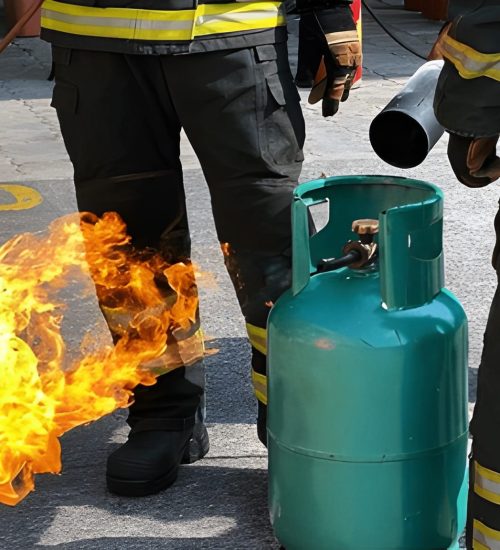
What is a Fire Risk Assessment?
A Fire Risk Assessment (FRA) is a systematic evaluation of a property’s fire safety measures. It identifies potential fire hazards, assesses the risk to occupants, and recommends actions to reduce or eliminate those risks.
What’s Included in an FRA:
- Fire Alarms: Inspection of alarm systems to ensure they are functional and compliant.
- Escape Routes: Verification of clear and accessible emergency exits.
- Emergency Lighting: Ensures proper illumination during power outages.
- Fire Extinguishers: Checks placement, condition, and compliance with regulations.
- Signage: Confirms visibility and accuracy of fire safety signs.
Staff Awareness: Evaluates fire safety training and emergency protocols.
Fire Risk Assessment pricing
We offer transparent and competitive pricing for both residential and commercial properties:
Residential FRA
- Communal Area: £129.99*
- Studio Apartment: £74*
- 1-3 Bedrooms: £139.99*
- 4-5 Bedrooms: £179.99*
- 6 Bedrooms: £189.99*
Commercial FRA
- Communal Area (up to 3 Floors): £149.99*
- Communal Area (3-5 Floors): £189.99*
- 1-3 Floor Building: £249.99*
- 3-5 Floor Building: £369.99*
*Additional Charges:
- Parking Fee: £5 (if paid parking is required).
- Congestion Charge: £15 (for properties in London’s congestion zone).
Frequently Asked Questions (FAQs)
- An FRA is a detailed evaluation of a property’s fire safety measures, identifying risks and recommending actions to ensure compliance and safety.
- Landlords, property managers, and business owners are legally required to conduct FRAs for residential and commercial properties.
- FRAs should be reviewed annually or whenever there are significant changes to the property, such as renovations or new tenants.
- A certified professional inspects fire alarms, escape routes, emergency lighting, extinguishers, signage, and staff awareness to identify and mitigate risks.
Prices start at £74 for studio apartments and vary based on property size and type.
The report includes identified risks, recommended actions, and documentation of compliance with fire safety regulations.
- Yes, FRAs are mandatory for HMOs to ensure the safety of all occupants.
- Non-compliance can result in fines, legal action, and invalidated insurance claims.
While small businesses can conduct basic assessments, it’s recommended to hire a certified professional for comprehensive evaluations.
//